fbpx

A New Beginning

A SAVe-themed Thanksgiving Celebration to Remember

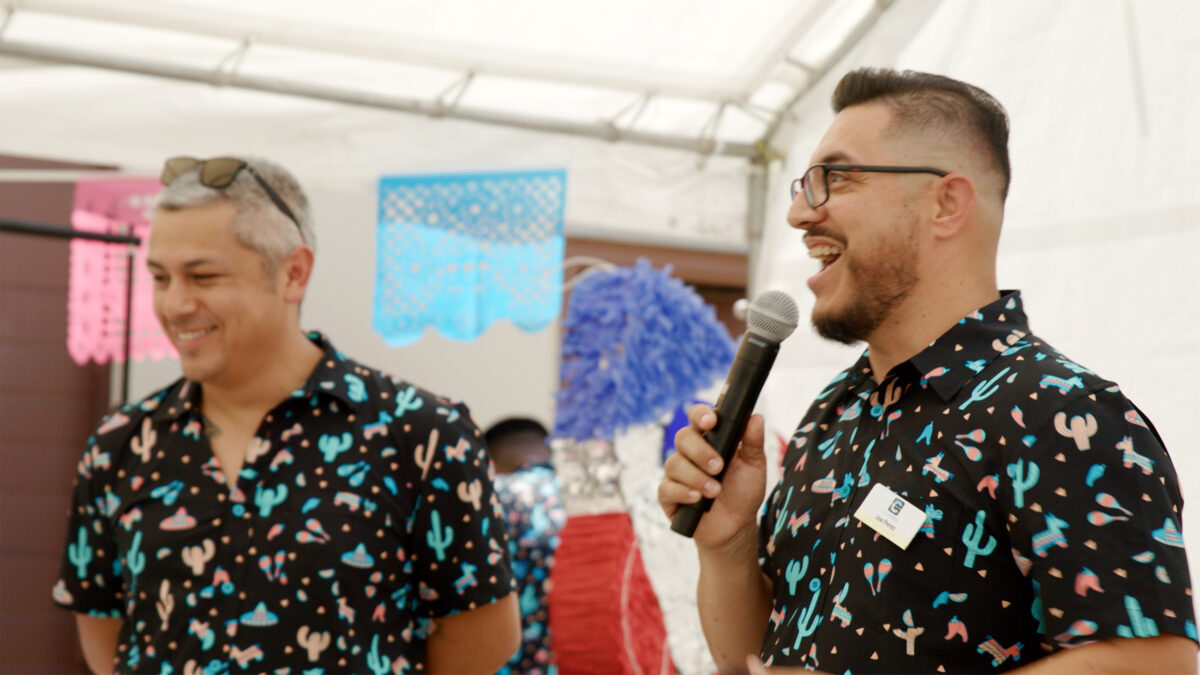
Ever year ClearTech hosts a themed Thanksgiving party for our staff, their families and ClearTech’s extended family. This year we dedicated our celebration to SAVe, or Sustainability in AV, a non-profit organization we founded earlier in 2022 to bring stakeholders in the AV industry together to take concerted action to advance the 2030 Sustainable Development Goals.

As always, we began the day with an all-staff gathering, where we reflected on the incredible gains and accomplishments of the past year. In addition to the founding of SAVe, our team commemorated many well-deserved promotions, fantastic new hires, and the impressive contributions made by staffers to bring in new business and deepen our existing client relationships. 

And of Course, Food!

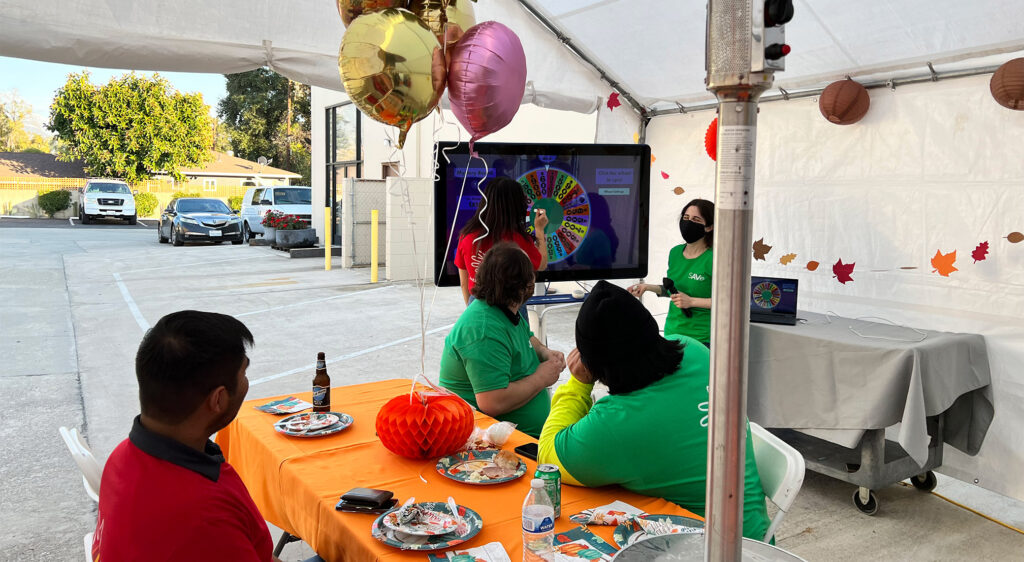
Then the celebration began in earnest, with a full Thanksgiving dinner prepared by our own David Navarro, owner of Iggy’s Catering. From the turkey and ham to the myriad sides and desserts, it was a meal to remember. And the ambiance of the gathering – including the tent, lanterns, balloons and other Thanksgiving decorations – only added to the flavor.

Spinning for Knowledge

After we ate, it was time to nourish our minds, while satisfying our love of competition. Earlier in the day, everyone had been giving a SAVe t-shirt. Red t-shirt recipients were on one team while those who got a green t-shirt were on the opposing team.

The game: A SAVe-themed version of Wheel of Fortune, with questions and answers highlighting SAVe’s mission, the 2030 Sustainable Development Goals (SDGs), and salient facts in the struggle to achieve sustainability. Winners received gift cards. All participants absorbed a wealth of knowledge. 

For more information and how to get involved with SAVe, please visit the website at www.saveav.org.

Sign up for the ClearTech newsletter!

Email Signup

In an era of all-out change, we’re all-in on service.

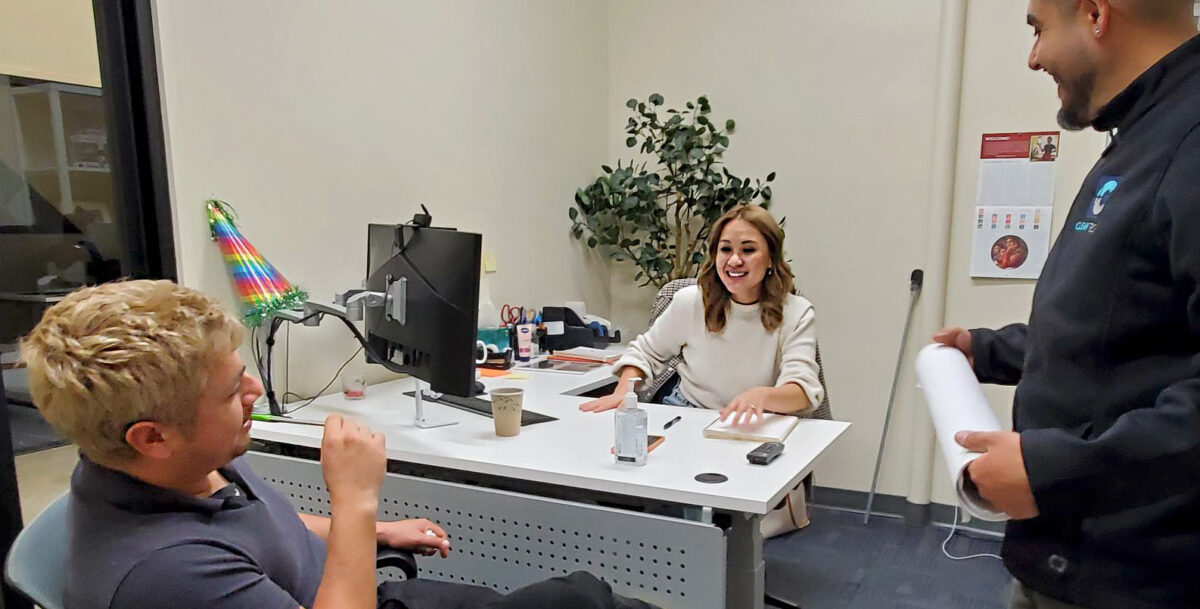
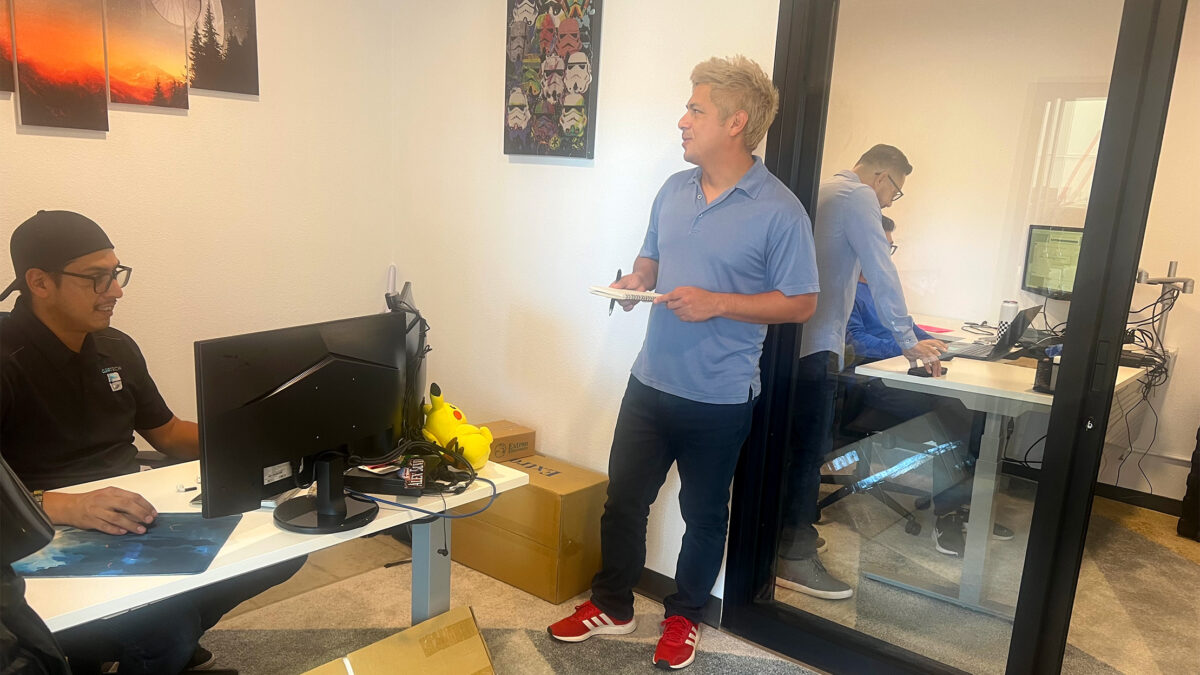
A portion of ClearTech’s new service area.

As diverse as our clients are, this year they’re reporting remarkably similar experiences: The workplace and educational landscapes are transforming before their eyes; change is the only constant; and labor shortages and supply-chain issues are preventing them from making progress as rapidly as they’d like. They’re eager to move forward and are frustrated by the forces holding them back. In the face of these pressures (which we’re feeling as well), ClearTech is determined to be a catalyst for our clients’ progress rather than another impediment. 

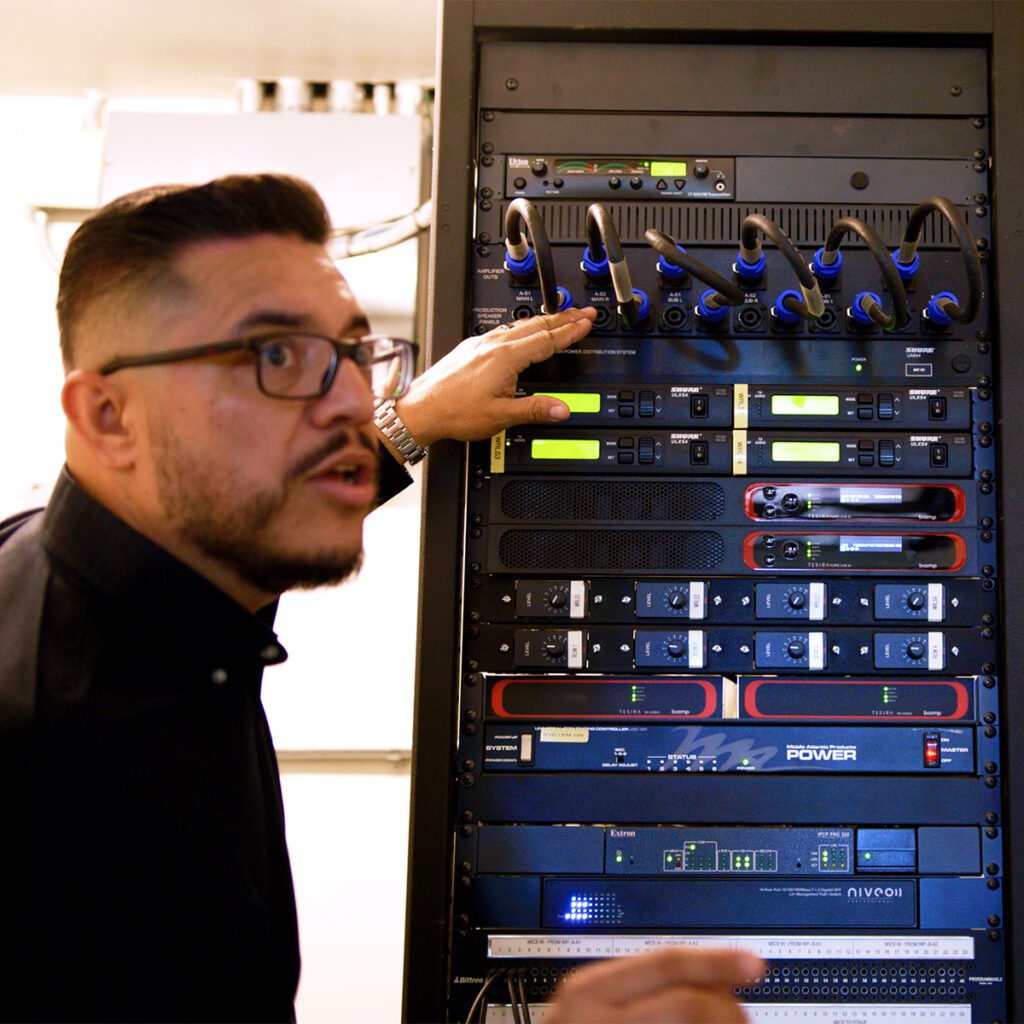
To that end, we’ve been growing and strengthening our team, enlarging and optimizing our tech support and warehouse spaces, and investing resources in improving our customers’ service experience ­– particularly in the area of on-site support. The way we see it, even if megatrends and supply chain issues are beyond our control, ClearTech can make a significant difference in our corner of the world. And we’re doing that by going “all in” on client service. 

Here’s a peak into our strategic plan:

Nothing beats hands-on support. 

This is particularly true for enterprise clients, where change is coming fast and furiously. As they scramble to transform the workplace and adapt to a hybrid world, they’re more reliant than ever on their collaboration technology.

Recognizing the stakes for our customers, we resolved to ramp up customer support accordingly. And one of the most effective ways to do that is by providing dedicated, superior, on-site support.

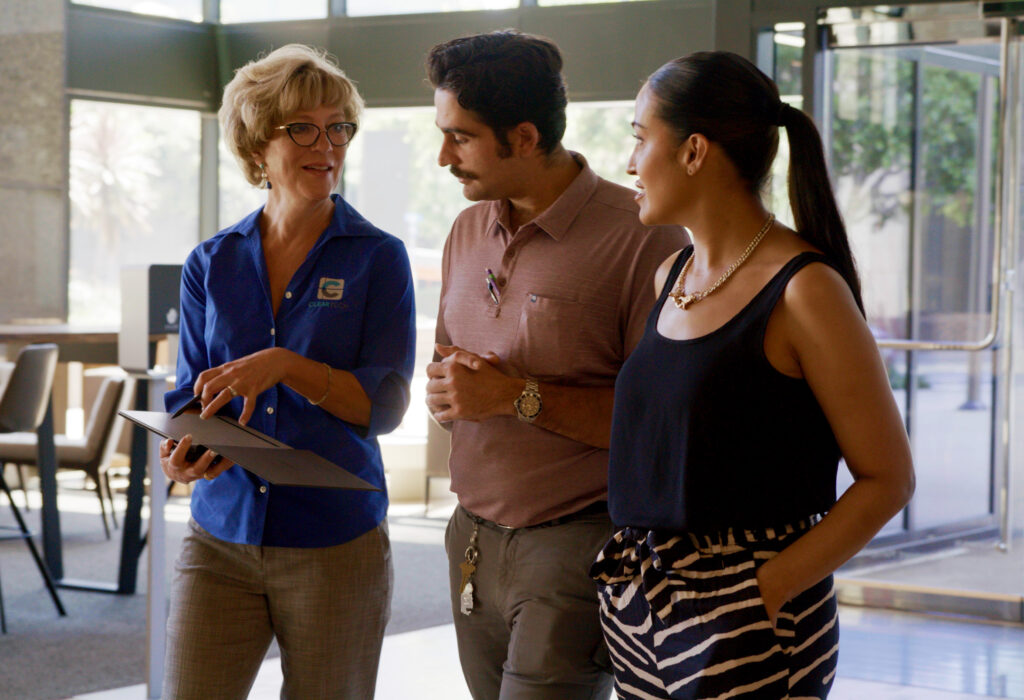
At one of our clients, a large utility company, we have two staffers on location. One provides overarching support to addresses issues that may come up at multiple locations. The other provides executive support (among many other services) based out of the client’s corporate headquarters.

“Our onsite technicians require a combination of skills in addition to technical knowledge. For one thing, you have to be a sleuth,” says ClearTech Service Manager Matt Sher. “Glitches can occur on the user end, somewhere deep inside IT, and anywhere in between. When it’s not obvious where the issue is, you’ve got to be dogged about getting to the source of the problem.” 

One thing Matt has learned about executives: “They can be demanding and impatient, but if they know you’re actively pursuing the resolution to a problem, they’ll be understanding. The thing is, you can’t just pay lip service to providing support. The client has to SEE that you’re as invested as they are in resolving the issue. So, on top of everything else, this position demands a real problem-solving mentality.”

That insight is one of the reasons Matt has been promoted to Service Manager. All our on-site executive team support team members will be looking to him for the guidance and support they need to provide the same caliber of service that has made Matt a jewel in our service crown. 

When new equipment is scarce, ensure that current equipment performs at its peak.

We live in a time of planned obsolescence with shorter and shorter AV technology life-cycles. Many manufacturers care about quality only insofar as it will keep their gear functioning until the next iteration is rolled out and they can score another sale. 

One of the consequences of this kind of thinking is the horrific amount of e-waste our industry generates. And one of the best ways to counter the scourge of techno-trash is by extending the life of existing gear via repair and reuse. 

But the story doesn’t end there. Now that supply chain issues have dried up the supply of new gear, fixing and repurposing usable devices and peripherals really is the only option for many organizations who rely on that equipment for business continuity. And here is where ClearTech can have a direct impact. We’re staffing up to provide repair services. We’re also expanding our warehouse and workshop spaces. Furthermore, we’re taking advantage of the additional space to stock more inventory. 

Hire for character, work ethic and responsiveness.

Technical knowledge can be imparted. Character ­– and caring – cannot. A major reason ClearTech often beats out much larger integration firms for enterprise accounts is because of the type of people on our team. 

Say we’re providing live event support for a corporate client’s critically important investor meeting. “You need someone with the skills to make sure the event goes off without a hitch,” says ClearTech Director of Technical Services, Adam Mejia, “but that’s just part of the equation. Personality, problem-solving acumen, social skills, and a smooth and steady demeanor are all essential to instilling confidence and trust. A large number of our c-suite clients will ask for ClearTech support staffers by name. That’s an indication that we’re providing real value to them.” 

Incidentally, ClearTech Live support is one of the industry’s great bargains. “There are companies dedicated to providing services of this nature, and they charge many thousands of dollars for them. For all but the most elaborate events, however, our executive support team can set up, produce the meeting, and handle the teardown for a fraction of the cost,” says Meija.

Be a career destination.

The demand for technology professionals is hotter than ever, and large employers are paying top-dollar for talent. So how is it that ClearTech hasn’t just created a team of AV pros, but is adding to it every day?

One of the reasons is we strive to be a career destination – a place where individuals are celebrated and collaboration is prized, where each person can discover where their talents and passions lie, and every team member has the opportunity to realize their potential. 

“What’s also important,” says ClearTech founder and President Christina De Bono, “is to have a real mission as an organization – a purpose that elevates work beyond the transactional. We’re serious about cultivating the potential of individuals, but we’re also devoted – deeply – to bettering our community, and planet, by founding SAVe, Sustainability in AV, a non-profit organization dedicated to bringing stakeholders together in the AV industry to take concerted action in achieving the 2030 Sustainable Development Goals.”

Bottom line: People need to have a reason to work hard and provide genuinely great service to clients. For that to happen, they need both to be valued as individuals and given the opportunity to reach beyond themselves.

Sign up for the ClearTech newsletter!

Email Signup

ClearTech’s Christina De Bono Talks About SAVe on Edge Bandwidth

Talking about sustainability in AV with just the right audience

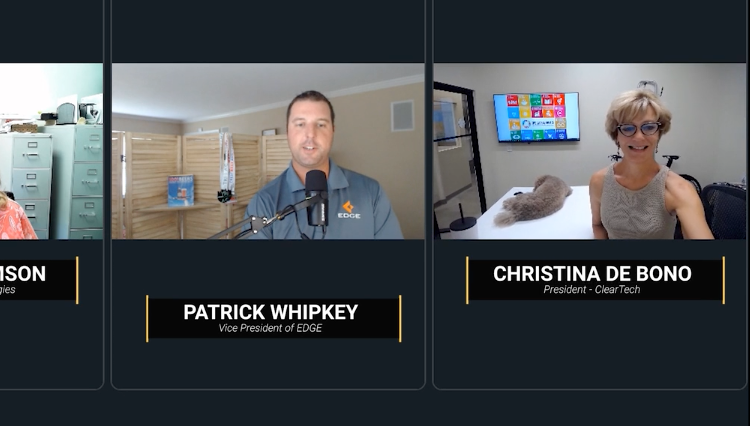
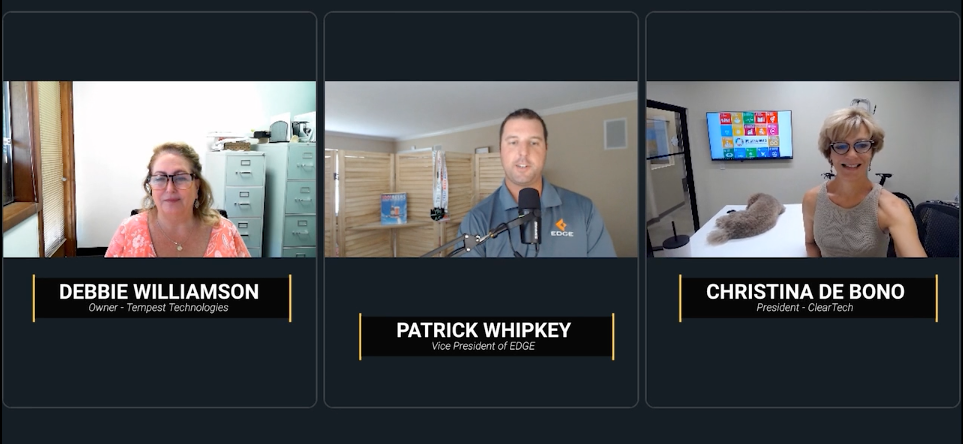
The AV sector produces a lot of e-waste, but it does not produce a lot of sustainable solutions, with the exception of recycling, which is occasionally useless because it actually transfers the problem to others; this is a critical situation that we can’t ignore anymore. In this episode, Debbie Williamson from Tempest Technologies LLC and Christina De Bono, president of ClearTech, talk about sustainability in AV and the organization SAVe, which strives to meet the 2030 Sustainable Development Goals (SDGs) through a number of initiatives, one of the most significant of which is the SAVe certification, which aids in the development of an action plan and opportunities for the business to give back to the community so we may create a more sustainable future.

Sign up for the ClearTech newsletter!

Email Signup

ClearTech Celebrates Thanksgiving With the 2030 SDGs

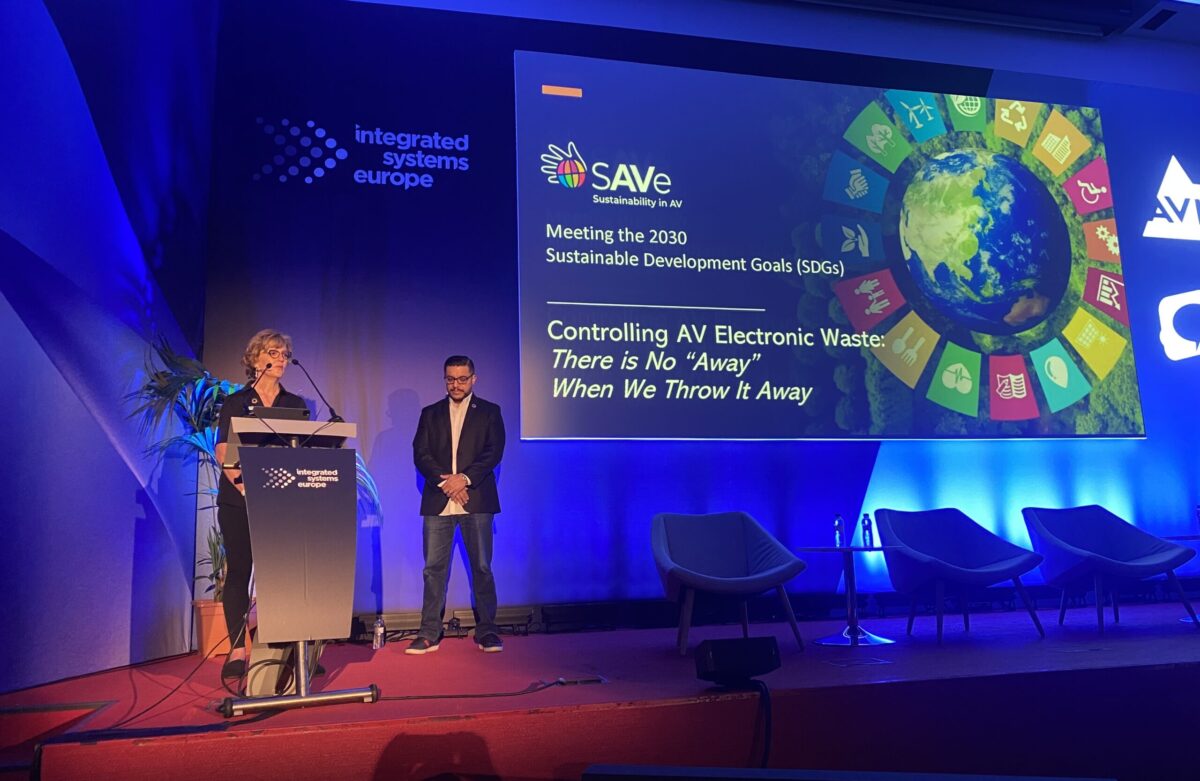
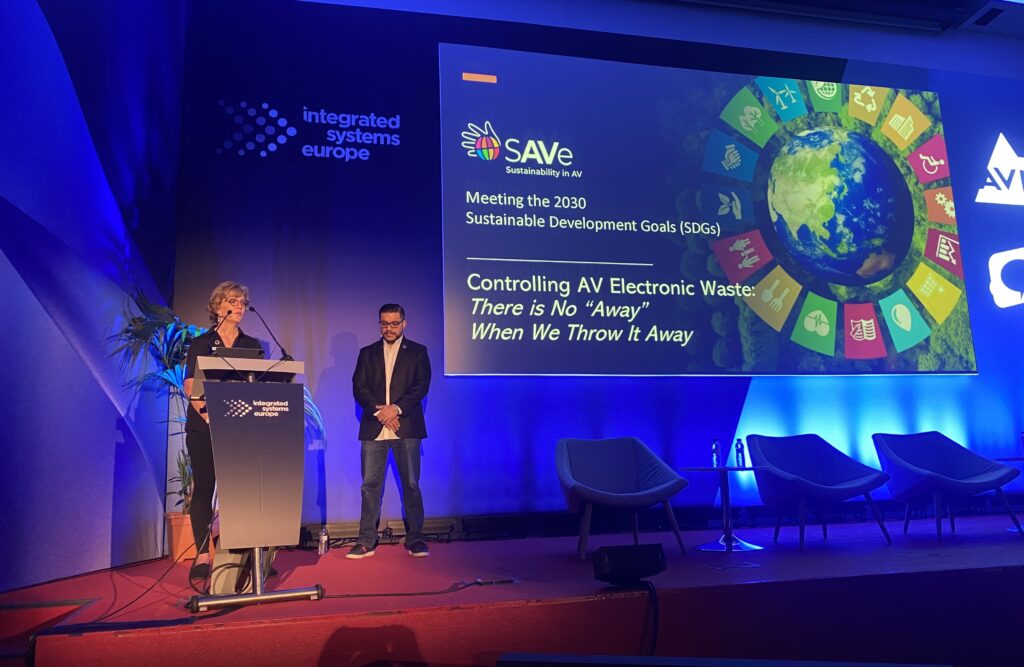
ClearTech celebrated Thanksgiving this year by continuing to promote the 2030 Sustainable Development Goals. The ClearTech team hosted a game of SDG trivia and ClearTech’s President Christina De Bono, along with Sue Angus of CVSA, gave a presentation on the significance of the 2030 SDGs.

Sign up for the ClearTech newsletter!

Email Signup

Embracing Sustainability

ClearTech is committed to advancing sustainable development. Learn about the actions we’re taking.

Sign up for the ClearTech newsletter!

Email Signup

From Reacting to Planning:
Takeaways from The New Hybrid World Event

A timely topic, an all-star panel, and an engaged audience… It all came together on July 15, 2021 at The New Hybrid World: Connecting People, Space and Technology panel discussion.

Held at the downtown Los Angeles showroom of PeopleSpace and co-sponsored by ClearTech, Panasonic Professional AV, Crestron Control Systems, and Shure Professional Audio Systems, the event assembled a dream team of industry thought leaders. Panelists included Michael Kimes, senior project manager at NASA/Jet Propulsion Laboratory; Linda Kramer, senior director, occupancy planning at JLL; Dave Norton, project manager, capital projects at Cal Poly San Luis Obispo; Chris Spauling, director of technologies for Granite Properties; and Scott Haynes, director of building operations & facilities at the Leaf Group. In their capacity as leaders of IFMA Workplace Evolutionaries (or IFMA WE) of Southern California, ClearTech founder Christina De Bono and PeopleSpace managing director Holly Rau co-hosted the gathering.

Over the course of 90 minutes, some of the most forward-thinking people in their industries shared insights, answered questions, and brought needed perspective to the myriad of issues that are fundamentally changing how we view the workplace. Here are a few takeaways from the discussion:

15 months after the onset of COVID-19, planning has replaced panic.

A year-and-a-half ago, our journey to a hybrid workplace future accelerated suddenly and rapidly. That voyage continues today, but the difference is we’re no longer hightailing it in the middle of a fog. We’ve hit a stretch of road where we can see more than a few feet in front of our faces; we’ve passed the reactionary, pandemic-driven response necessitated by the lockdowns and are taking a close look at the emerging hybrid landscape. It’s not just about workplace technology, it’s about the impact on workplace culture, workplace management and practices. Each organization is trying to find the right balance for itself. Organizational leaders, facilities managers, architects and designers, property owners, and employees have finally caught their breath, and are getting down to the business of figuring out how to get work done in a dramatically new environment. It’s a monumental task, but already there’s a vast well of expertise to draw on – which is important, because we’ll need all the help we can get.

The office isn’t going away. But it IS evolving.

The office isn’t going away. But it IS evolving.

Working remotely isn’t a new idea. Even without a pandemic, it makes a lot of sense, but many organizations hesitated to embrace a hybrid model. COVID changed all that by hurling businesses almost overnight into the world of remote work.

One thing we’ve learned is that – for many organizations, to various extents – remote work….works. Now the challenge is to make it work well. And for that to happen, the workplace needs to accommodate the new reality. Up until 15 months ago, the office was a static environment in that we knew how many people would be onsite every day. We knew when people would arrive, where they’d go in the office, and when most of them would leave. Now we’re looking at some individuals and teams working remotely all the time, others dividing their time, and others remaining in the office all the time (as Michael Kimes of Jet Propulsion Laboratories notes, if you’re working on building a Mars rover, NASA’s not going to ship the engine to your house).

To enable a hybrid workforce to be productive, offices will become more heavily weighted to collaboration and innovation spaces. We’ll still need heads-down solo workspaces, but they’ll occupy a smaller percentage of the real estate in order to accommodate those activities that MUST take place at the office. As they come to understand what needs to get accomplished, by whom, and at what time, offices are rapidly evolving into environments that can accommodate a distributed workforce. All of this is enabled by technology: collaboration technology, wayfinding technology, workplace utilization technology, safety technology and more.

In the past, there would have been quite a bit of resistance to these kinds of technological innovations. After all, they’re not inexpensive. They require training to operate and skill to maintain. And there’s no guarantee that each application will yield ROI. But now that many of us have gained remote work experience – and found that it ain’t so bad – the barriers to change have diminished significantly.

Adopting the hybrid model entails challenges – and presents opportunities.

Let’s face it, the hybrid workplace comes with some distinct upsides – advantages that go beyond eliminating the daily commute for those working from home. For one thing, it greatly expands the pool of talent an organization can draw from. It gives employees more choices, options and flexibility. At the same time, a hybrid model makes it a lot harder to gauge the productivity of a remote workforce, and even more difficult to create and maintain a shared culture and mission. We’ve moved from a static to a dynamic workplace model, and that obliterates much of our routine. To make sense of it and channel all that energy to productivity, we need new technologies – friction-free, seamless approaches to managing space, maintaining safety, and accommodating the varying needs of disparate groups. We also need new approaches to managing people, and that’s going to require a huge investment in training. After all, many traditional performance metrics, such as how much time you’re in the office, will no longer apply. We have to shake off the conventions of last-century thinking and explore a new operating model that won’t just maintain the status quo, but reset it entirely.

Technology’s at the center of the hybrid workplace.

Consider the challenge of making office spaces work for waves of people who’ll be in the office part of the week, and then leave, making room for others from different departments, performing different categories of tasks. This creates huge issues for facilities managers, HR folks, and others charged with enabling worker productivity. One thing we know for sure, however, is that technology will be central to the new workplace. Sensors, wireless communication, machine learning…they’ll work together to understand and respond to shifting usage patterns. You’ll see the results in everything from new room booking and reservation systems, to office safety protocols and wayfinding. Imagine an office in which most staffers do not have an assigned workplace. What happens when they arrive and need to know where to go, how to find their team, sync schedules and reserve spaces? That’s a simple question that goes to the heart of the employee experience, and from there many other questions arise regarding productivity and collaboration.

Nothing will get done unless people feel safe and secure.

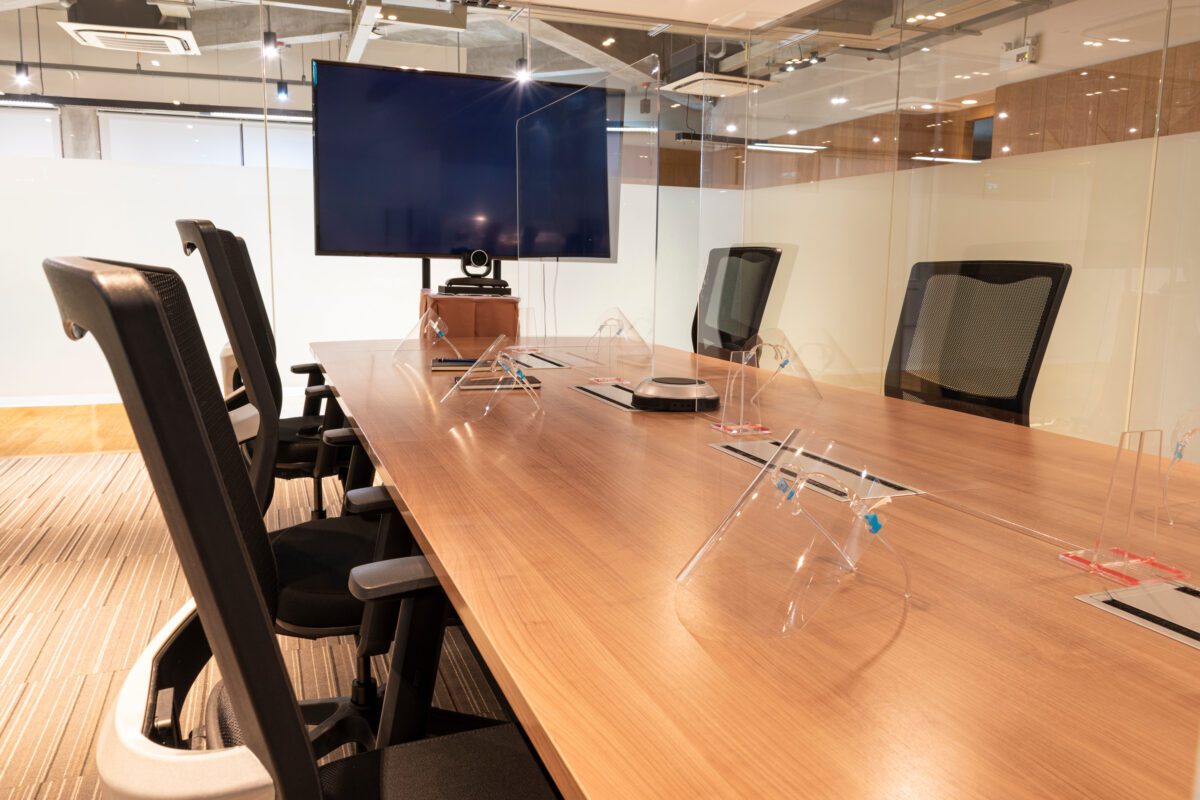
Much of the uncertainty around workplace safety and security comes down to logistical challenges. How do you maintain healthy occupancy levels? How do spaces get cleaned, and stay clean? How do you reduce the number of objects and surfaces people need to touch? And how do you decide when and how to make changes when CDC guidelines frequently shift? From improving HVAC to adopting hands-free technologies, everything is getting looked at. The challenge is to advance safety and security without create new complexities, stifling the culture, or getting in the way of people simply doing their jobs. Many of these questions – like “What’s our cleaning schedule?” – used to fall under the purview of facilities manager. Now, everyone’s in on the process – because everyone has a real stake in the outcomes.

Design shifts will overlap with technological ones.

Activity-based and agile workplace models are not new but current circumstances have been a catalyst for their reexamination and evolution. More than ever before, we need to address where people are working, whether it’s the office, at home or a third place. Beyond that, we need to look at how they work. What’s interesting is that today it’s not just employers who are examining these issues, but virtually everyone with a connection to the workplace. Granite Properties, a leading property management firm, is devoting tremendous energy to tenants’ requests for more flexible and collaboration-oriented workspaces. One issue: How to entice tenants with shared building amenities – more conference rooms on tap, attractive social spaces, options to use spaces at other buildings managed by the same firm, and technological features that allow a business’s private network to follow workers into spaces outside their private offices. They don’t have all the answers people are looking for, but savvy firms like Granite Properties are hard at work planning for a new generation of office environments and management models.

As the workplaces change, so will management practices.

Policies need to change with new business models. As workforces become distributed, we’ll need new tools to measure effectiveness, for example. Training protocols will have to evolve, too. It’s no longer just a matter of handing a new employee a laptop and saying, “Off you go.” In the new world, how do you train leaders? How do you develop performance-based accountability? And as new practices are developed, how can we avoid pitfalls that exacerbate gender and class biases? The goal is to ensure that all employees – regardless of where they are – have the same opportunities and experiences, are compensated in a manner commensurate with their job features and duties, receive the same quality of training, and are onboarded, mentored and acculturated in an equally effective manner.

Moving from reacting to planning.

The shock of the pandemic has subsided. Some of what we thought would be temporary accommodations will clearly become permanent changes. For technology providers, a whole array of new challenges has come to the forefront (Just ask anyone in the AV and IT sectors). But the hybrid world impacts virtually everybody. Architects, designers and builders have entered into a great unknown. So, too, have facilities managers. Then there are the HR folks; their world has transformed profoundly. And none of these transformations can be handled in a silo’d manner. Cross-disciplinary communication is essential to embrace the hybrid world while enabling organizations to remain true to their mission, focus on their core competencies, and simply keep the lights on. It’s a tall order, but here’s the good news: A lot of very, very capable people are devoting themselves to finding the answers we need. And organizations like ClearTech, PeopleSpace, and IFMA, along with leading manufacturers like Panasonic, Crestron and Shure, are right there with them. It’s a new Hybrid World, but the time-tested benefits of collaboration will get us there together.

Tell us how your organization has been affected by the events of the past year and a half. We’d love to know what issues you’re facing – and how we can help you take advantage of all these changes to make your organization stronger and more competitive than ever before.

Sign up for the ClearTech newsletter!

Email Signup

ClearTech Hosts Ribbon-Cutting Open House to Celebrate New Office Renovation

We’d like to thank everyone who attended our Ribbon-Cutting Ceremony and Open House event (and for shooting some great rockets)! It was because of our partners, clients, and friends that we made it through a very challenging year. We couldn’t have done it without you! Thank you!

Sign up for the ClearTech newsletter!

Email Signup

Yanked By the Supply Chain: How to Deal with AV Product Shortages

AV integrators and their customers are beginning to take off their masks, but they’re still holding their breath – wondering how extensively, and for how long, the economic disruption wrought by COVID 19 will affect our industry.

When we think about the economy, our first thoughts go to the number of unemployed. We think also about specific industries that have decimated by the pandemic. But now that the economy is showing signs of returning to normalcy, the impact of COVID-19 continues to reverberate in the form of profound disruption to the supply chain.

When will it feel like “normal?”

“It takes a lot longer to gear back up than it does to shut down,” says ClearTech founder and president Christina De Bono. “And in an increasingly globalized economy where disruptions in one hemisphere can cause a standstill in another, it’s a struggle to get back to normal. Some of the consequences we’re seeing are long lead times for products to be delivered, and disconcerting price hikes as buyers vie to get first in line for scarce goods.”

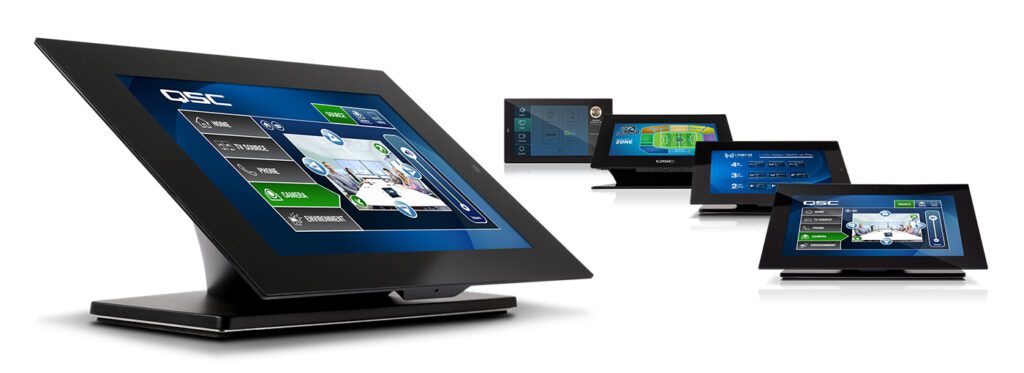
At the moment, that scarcity is very apparent in the shortage of electronic chip sets – the micro-components that go into everything from our phones to our cars. In the AV industry, the holdup has affected practically everything with a display. From large flat-panel displays to palm-sized touch-panel controllers, they all depend on chips.

“Smart cars, smart buildings…we’ve outsmarted ourselves with smart stuff,” says a half-joking Chuck Wilson, head of the National Systems Contractors Association, a leading AV industry trade group.

Making matters worse, there’s also a commodity shortage under way. The glass that goes into displays is in short supply, for example. Copper and other commodities needed for wiring and construction are similarly hard to procure.

“Essentially, last year’s shutdowns are causing this year’s shortages,” adds Wilson. “The supply chain will eventually get back to normal, but that’s no comfort for anyone experiencing shortages now.”

What you can do right now

Wilson’s advice for end users: “Plan ahead. Budget accordingly. Get in the queue and work with an integrator who can help you navigate the current supply chain turmoil.”

In the face of widespread shortages, what are the benefits of working with one integrator over another?

First, an established, well-connected integrator will have long-standing relationships with manufacturers and suppliers, and in some instances those connections can help move their product orders to the front of the line. But perhaps even more important, the best integrators will have the knowledge, experience and imagination to help compensate for specific product shortages.

“We may be able to come up with alternative integration solutions that bypass particularly scarce hardware,” says ClearTech CTO Joe Perez. “Or perhaps we can provide temporary solutions that’ll meet your immediate needs while the supply chain issues even themselves out. Once the components we originally specified become available, we can swap out the interim fixes for the permanent ones.”

If you’re in need of an AV solution right now, choose an integrator with experience and industry affiliations. ClearTech, for example, is a member of the NSCA and other industry organizations. “We stay in regular communication with industry leaders, and that contact helps us identify trends early” adds Joe Perez.

The benefits to ClearTech customers: “We’ve been able to get orders in earlier than many other integrators,” adds Perez. “And because of our close relationships with vendors, we’re able to ask them, for example, ‘Will your products work with other components that aren’t affected by the chip shortage?’ In some cases, we’re able to take that knowledge and redesign the solution for the customer’s benefit.”

Maybe most important: A top-tier integrator will be utterly transparent with their customers. If there are going to be delays, they’ll let you know and work with you to mitigate the consequences. They’ll move quickly to collaborate with you to accommodate shifting conditions in a way that minimizes disruption to your business.

Sign up for the ClearTech newsletter!

Email Signup

Planning for Reentry: Educators Explain What They Need From Hybrid Learning Technology

Amid all the uncertainty that COVID-19 has brought to American life, higher ed administrators know this for certain: Fall will be here before we know it.

The question is, how do university decision makers prepare for campus reentry? How do you allocate resources, invest in hybrid learning, and update your infrastructure to maintain continuity of education in a time of such unpredictability?

Higher ed administrators and technology specialists also have to ask themselves another question: “What’s our appetite for risk?

After all, every decision is a gamble. The costs are high and uncertainties abound with a pandemic that has yet to be vanquished and students struggling to determine their comfort levels with on-campus vs. remote learning. And to make things just a little more complicated, there’s that ever-present x-factor; the reality that technology is constantly evolving, now faster than ever.

So educators are doing what they’ve been trained to do: ask questions and do their best to avail themselves of all available information to make informed decisions.

If uncertainty complicates back-to-school decision making, the fast-approaching fall term is intensifying the stakes. Nevertheless, say educators, it’s essential to achieve consensus about how to move forward.

Buy-in begets buy-in

“A little bit of listening really helps,” says Jorge Mata, Technology Project Manager for the Los Angeles Community College District (LACCD). Faculty buy-in is essential, and that only comes from taking the time to understand instructors’ concerns about how hybrid technology investment will impact their ability to teach. “Our plan was, ‘We’re going to listen to you, and we’re going to come up with something that works for you, and we promise you’re not going to have to learn all these new things.’”

The benefits go beyond the obvious. By working closely with faculty, not only do you avoid “unnecessary headwinds,” says Mata, but you create a legion of technology trainers who will speed adoption of the new technology. “You’re always going to have educators who are less comfortable with change, or need more information to commit.” But this population will be encouraged by colleagues who embrace the technology. The undecideds will be more apt to make the leap. Simply put, explains Mata, “They don’t want to be left behind.”

Across the LACCD’s nine colleges, the system’s early embrace of online learning along with its decision to enlist faculty members to assist with training made Mata’s job a lot easier. “We didn’t have to hire huge numbers of [trainers]. We didn’t need to fill a stadium to conduct the training. We mobilized faculty who were already aware of and practiced in the technology.” This enabled LACCD to scale its efforts, while still keeping the training personal, with instruction taking place among people who already knew each other.

That’s one of the reasons Western University of Health Sciences (WesternU) created its Curriculum Technology Committee, says Miary Andria, executive director of the Upland, California-based institution’s Center for Innovation. “It’s a venue for representatives of all our colleges to discuss technology implementations, issues, and challenges. Whether at the faculty, student or administrative level, the technology committee is critical in making sure that we identify all the issues so that we can preemptively address them.”

LACCD has taken a similar approach and, as a result, says Mata: “We have the creativity of thousands of professors and administrators all thinking about how to solve our challenges.  We don’t want to say no students. We want to say, ‘Yes, and here’s how.’”

Seeing the big picture, along with the myriad ways to bring a learning strategy to life, is perhaps the biggest challenge faced by educational technology specialists like Miary Andria and Jorge Mata as they steer their institutions’ response to the dramatic changes taking place in higher ed. 

Asked to offer guidance for others in their position, they and other technologists have no shortage of advice:

Focus on safety.

“As we prepare for reentry, the first priority is safety – for our students, faculty members and staffers,” says Andria.

“We have reengagement protocols, and though LACCD has different programs [across our nine campuses], we follow the same guidelines – like room capacity, for example, which we follow to the letter,” echoes Mata.

Another point of consensus: Safety issues are here to stay. From reimagining student-centric spaces to the adoption of hands-free technologies, says Michael Dannenberg of the Vantage Technology Consulting Group, “We’re asking ourselves: What does the next generation of learning spaces look like because of COVID?”

Invest where you can have the biggest impact.

Students at WesternU learn in both didactic, or classroom, settings and in clinical environments. AR and VR technologies offer great promise down the road in adopting clinical instruction to remote learning models, but in the near term, the greatest progress can be made on the more traditional portion of the curriculum.

“We’ve actually managed to replace much of our didactic instruction with completely asynchronous methods of learning,” says Miary Andria. “More than ten years ago, we adopted an enterprise-wide video recording system on campus, so the majority of our lectures are recorded and available via a multi-media library.”
 
Among the challenges Andria faced was faculty readiness. “Teaching online requires a different pedagogical approach, so we had to adapt lecture-based materials for digital learning.” One measure Andria took to facilitate distance learning involved working with WesternU’s AV Integrator, ClearTech, to create special classroom environments equipped with green screen and recording technology that allow instructors to overlay interactive and video components. “During the pandemic lockdown, we had faculty members come to campus and use these capabilities to stream their lectures. This was hugely helpful in mitigating quality issues. When you do streaming and lecturing from home, people will be talking, dogs will bark, etc. Having pre-designed classrooms with the capabilities we needed made it easy for faculty to record high-quality content for asynchronous learning.”

Focus on campus readiness

While considering how to incorporate new learning technology into your educational model, don’t neglect the technology you already have, advises Andria.
 
“With the pandemic, a lot of our on-premises technology – from projectors to lecterns – had not been used. So one of our priorities has been to reestablish readiness.” As part of the planning process at WesternU, Andria and team adopted a phased approach to look at every classroom and test all existing equipment to ensure it was in working order.

Cater to ALL your students

On-campus learners want to feel safe in the learning environment. Distance learners want an experience that’s as close as possible to actually being there. Both groups want to accommodate the other – but not at the cost of compromising their own educational experience. All students want full value for their tuition dollar. One measure of that value is consistent, reliable, communication technology that’s AT LEAST on a par with what they experience at home. 

The challenge educators face is how to use hybrid learning to unite rather than divide. Careful planning in consultation with experienced AV staff, particularly integrators who have experience in higher education, will go a long way toward enabling you to create a learning experience that leaves no one feeling short-changed.

Focus on analytics – and act on them

One advantage of digital technology is the ability to measure its use. “We have a treasure trove of data now,” says Mata. And not just within LACCD but across institutions. “Everyone went online, so now we can measure performance across our institution and other ones, in our disciplines and across disciplines.” From time on task, time on subject, when something was done and how much, trends can be identified and outcomes optimized.

The rationale is simple: Continuous measurement and monitoring enables continuous improvement – an essential practice for higher ed institutions that wish to remain competitive.

Learn from others

It’s easy for educators to fall into the trap of thinking that their experiences are unique – that the specifics of their circumstances render them a “special case.” But the fact is, “We’re all in the same boat,” says Mata. He advises taking the time to learn about other institutions’ experiences, and avail yourself of their knowledge.
 
Miary Andria is quick to agree. “There’s a lot of valuable information out there. EDUCAUSE is one a good source. So is the Chronicle of Higher Education. The online resource, Inside Higher Ed, also has great material.”

Don’t neglect the logistics

When it comes to educational technology investment, every decision leads to new questions – and not all of which will be in your field of expertise. For example, if you’re going to create a repository of lectures, how precisely will they be stored and accessed? How much storage will be needed? What are the policies surrounding it? Suddenly an educational technologist is tasked with becoming an intellectual property expert.
 
It’s situations like this that can more than justify the investment in specialized consulting. Michael Dannenberg of Vantage Technology Consulting Group spends much of his day helping institutions consider their technology strategy from every angle. “It’s important to look at the technologies holistically. There’s a lot of planning beyond outfitting the room.” And critically, success doesn’t necessarily equate to how much you spend.”

Once you set a goal, says Dannenberg, “You don’t want to throw money at it. You want to throw intelligence at it.”

Ask yourself, “What’s our brand?”

Education is expensive. And competition for students is keen. Higher Ed institutions have to fight for every tuition dollar, and they also go head-to-head to attract and retain the best faculty. In this environment, reputation becomes a critical component of success. And technology has a powerful influence on brand perception.
 
Today’s students, the vast majority of them digital natives, have high expectations of technology, and they’re acutely aware of how much they’re paying for it. Which means your hybrid learning investment better register positively with students – and ultimately pay off for them.
 
Reliability and ease of use alone won’t get you there. Today, more than ever before, your educational technology must work toward providing students with a true educational EXPERIENCE. It’s about what students learn, what they remember, what they will take with them.

“At the end of the day,” says Miary Andria, “education is a product, your students are customers, and if the education you provide for them does not work, you’re going to sink fast. You can’t just be a diploma machine. In the Los Angeles area, 18% of low-wage earners have a college degree. What’s the value of it?”

Remember who you’re doing this for.

There are those who lament the advent of distance learning, who say there’s no substitute for the in-person educational experience. And, true enough, there will always be situations where hands-on education is a must (just ask a phlebotomy instructor). But remember, too, how powerfully distance learning has worked to democratize education, and how your investment in hybrid learning can help those you serve.
 
Jorge Mata of LACCD thinks of the single mother trying to earn her degree. “How do you go to the library if you have two young children with you who need to be occupied and kept quiet while you conduct your research? If that mother can access those resources from home, that’s equity.”

The clock is ticking. (But then again, when has it NOT been ticking?)

In the time you’ve spent reading this article, the fall term has come that much closer. In all likelihood, students will return en masse. Some will opt for the security of staying home or the convenience of not commuting. Others can’t wait to join their counterparts on campus. 

In order to accommodate all who’ve entrusted their education to your institution, you’ll need to embrace hybrid learning in one form or another. And certainly the decisions you’ll make will have ramifications. But take a deep breath and ask yourself: Is this challenge truly any more difficult than others we’ve faced and successfully overcome? 

“Life is always changing,” says Jorge Mata, Technology Project Manager for the Los Angeles Community College District (LACCD). It’s essential to “manage and direct the energies of the organization to leverage change. This concept of a ‘new normal’ is an illusion. You have to embrace change as ‘the constant normal.’”

Sign up for the ClearTech newsletter!

Email Signup