

How ClearTech Keeps Campbell Hall at the Top of its Class March 2026
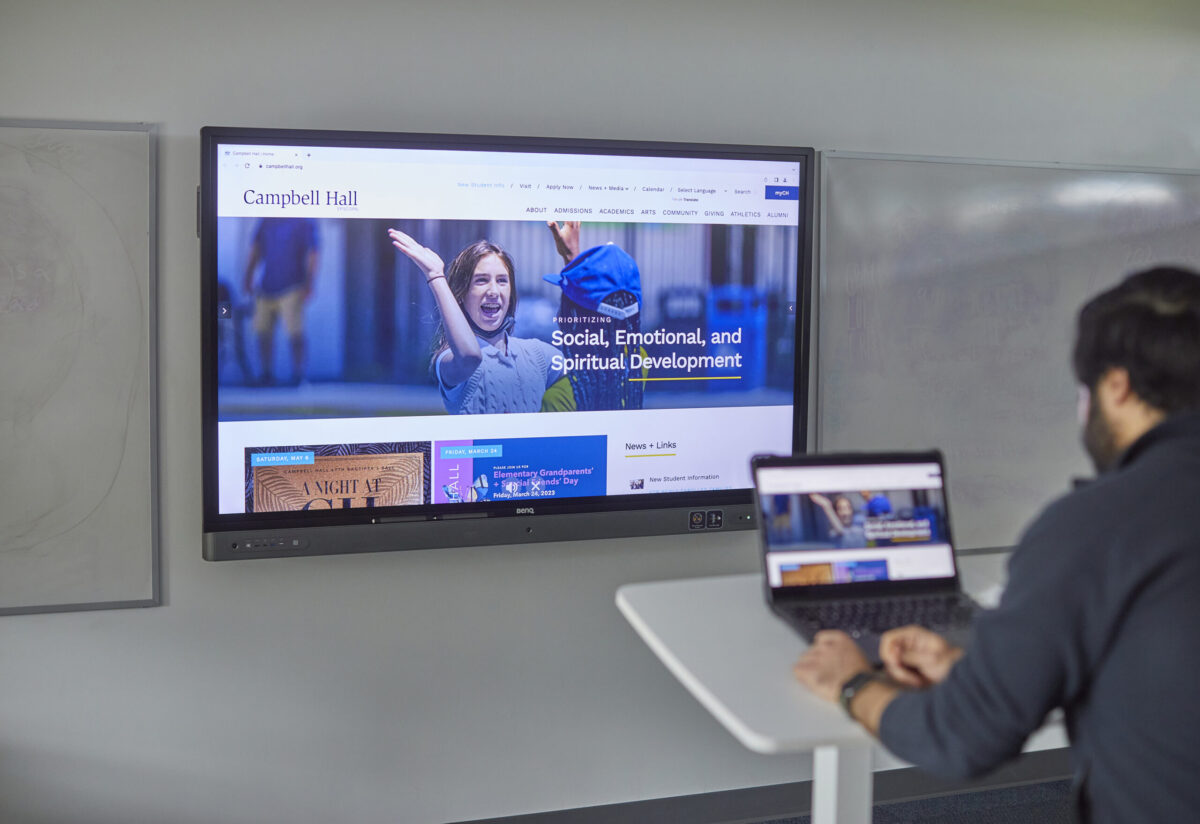
Exploring the ways client service fosters trust and long-term partnership
Located in Studio City, Los Angeles, Campbell Hall has established a reputation for quality education that extends across southern California. The K-12 day school is known for rigorous academics, including an impressive student-teacher ratio, a full roster of AP and honors courses, and robust athletics and arts programs. That’s where ClearTech, Campbell Hall’s technology partner, comes in.
How well does ClearTech rise to the challenge? Aram Manoukian, Associate Director of Technology at Campbell Hall, fills us in.
How did your relationship with ClearTech begin?

Aram: We first started working together three or four years ago. It was a single project, on a trial basis, and we were immediately struck by how responsive they were. ClearTech wasn’t just ghosting us or forgetting about us. As they grow, a lot of AV companies tend to forget about the smaller clients. That had happened to us in the past, but ClearTech never forgot about us, even as their business expanded. At this point, we’ve done maybe 45 projects together and have recently renewed our service contract.
I remember one of our earlier engagements. We had a TV deployment on our middle school campus. The display kept giving us a “not connected” message and wasn’t displaying on our laptops. We called ClearTech and they spent an entire day testing adapters in 10 to 15 rooms. Eventually the tech found the cause of the issue, which involved an Apple adapter we were using. Most techs would have given up or dismissed the issue as just “an Apple thing.” That really made an impression on us. And since then, ClearTech has repeatedly shown us that they have really good technicians who know the technology and will stick with an issue until it’s solved.
Does that give you peace of mind?
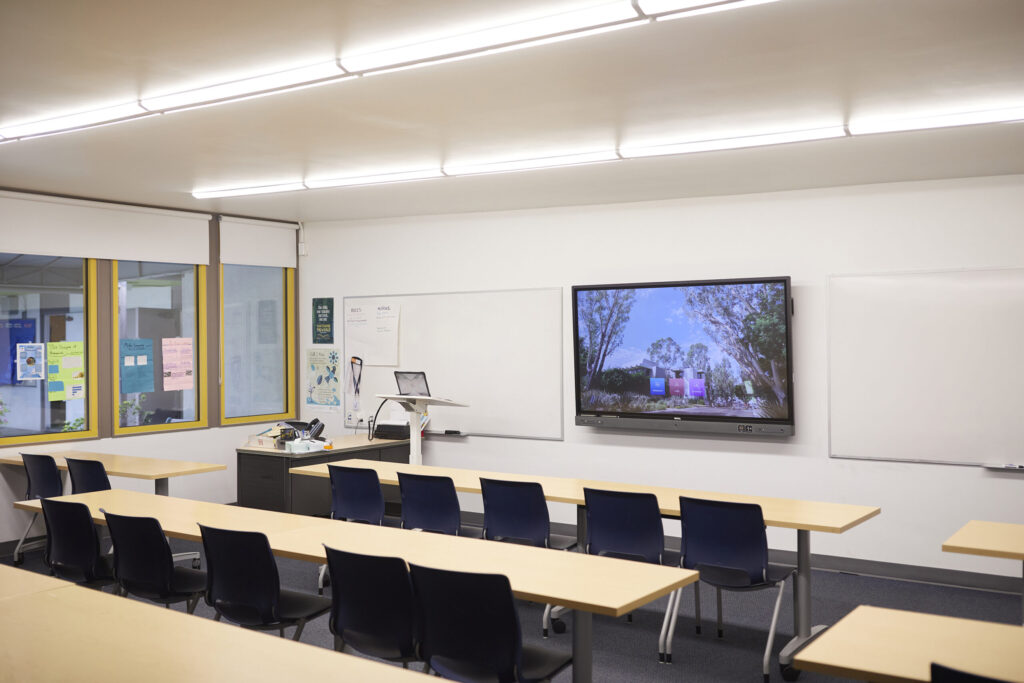
For sure, because we’re a unique school in that we put a lot of money into our technology and AV. Many schools will just use their AV resource to install equipment, but we rely on ClearTech for guidance and recommendations, which are based on very specific needs. Campbell Hall recently updated the AV technology in our movie production room, a place where aspiring editors and directors can get in-depth instruction. We told ClearTech what we wanted for that environment, and they helped us create a Dolby Atmos-equipped room that’s way beyond what most schools can offer their students. It’s a real differentiator for us.
Is it easy to work with your ClearTech contacts?
Yeah, and that’s a big advantage. Max Brown is our principal point of contact and is very responsive to our needs. One time I called him about installing a setup for our boardroom, and he ordered demo equipment, set it up at the ClearTech offices, demonstrated everything, and ran through all his recommendations.
Joe Perez, ClearTech’s CTO, also makes a point of coming over to see how new integrations are working as well, and we’ve also gotten to know other members of the ClearTech team. A bonus of working with ClearTech is that we can call or email their team members directly. At this point, we know who’s an expert at what. And if we don’t reach the right person, they’ll make sure we connect to the one who can help us.
We feel like they never drop the ball.
To talk to ClearTech about your AV needs, simply contact us.
